



Project Categories

Auto & Auto Parts
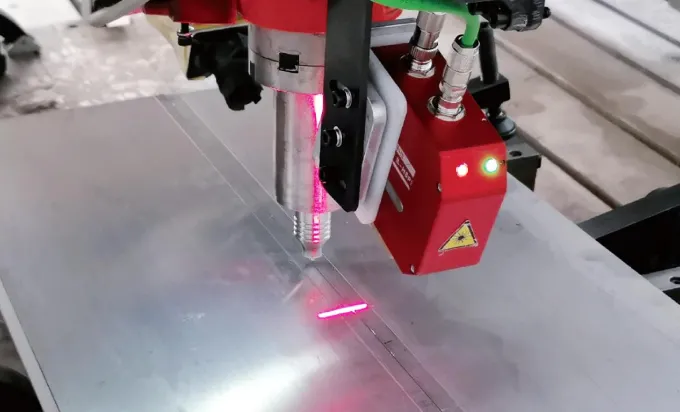
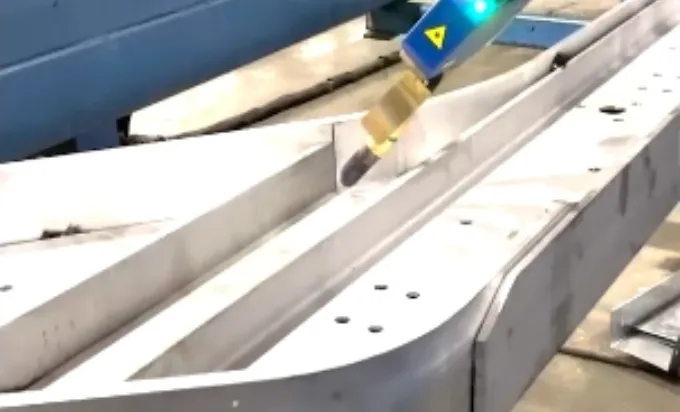
Friction stir welding of side plates
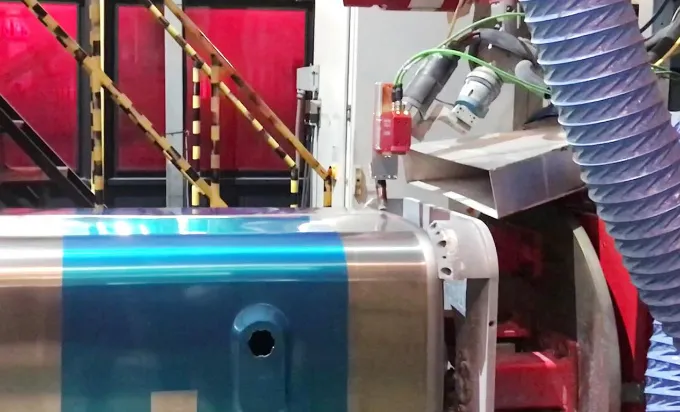
Aluminum alloy fuel tank
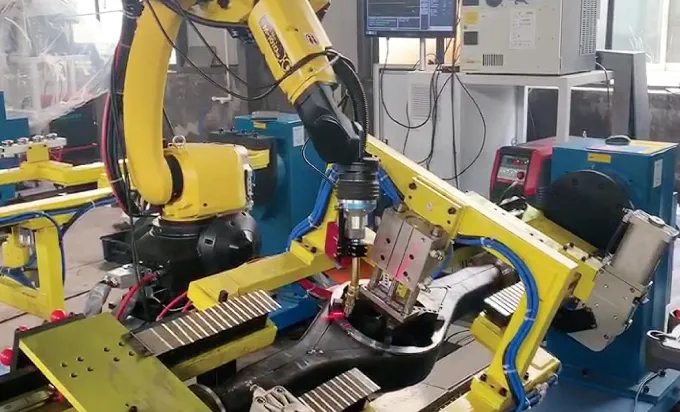
Car axle
QJAR Aluminium
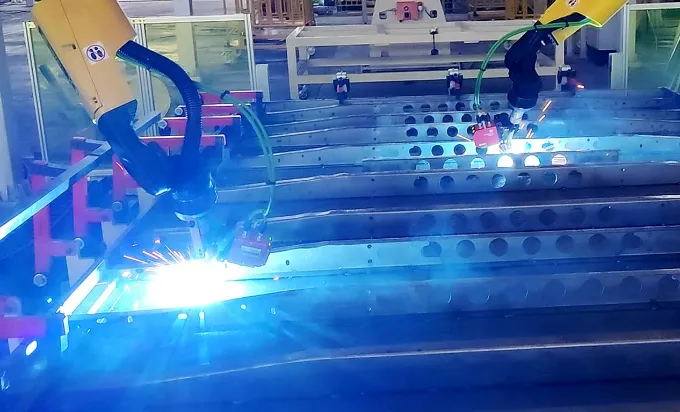
Truck body


Automotive manufacturing requires welding automation that can deliver repeatable quality at high production speed. From aluminum fuel tanks and truck body structures to axles, side plates and lightweight alloy components, automotive parts often have complex shapes, multiple joint types and normal part-to-part variation that can affect the true weld location.
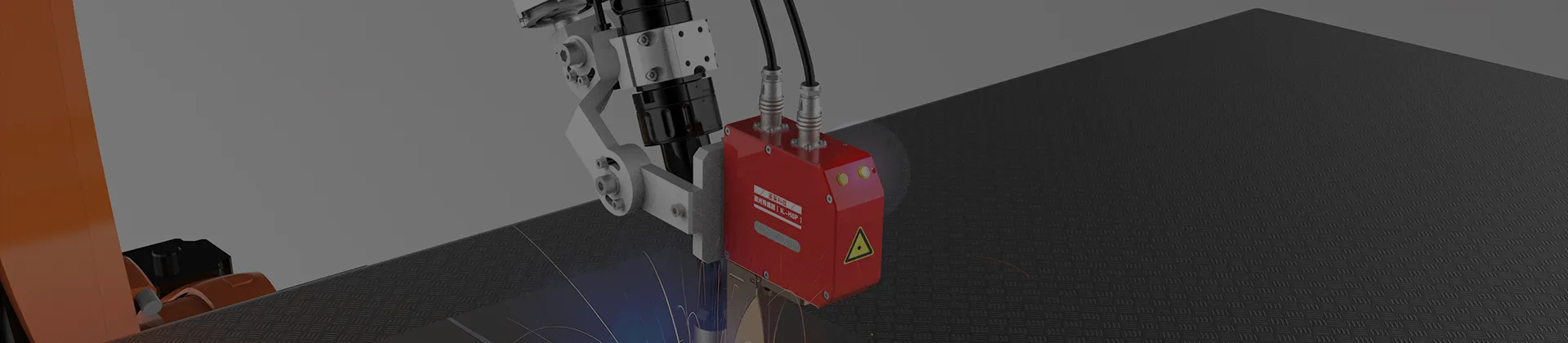
Intelligent-Laser provides laser vision seam tracking systems for automotive welding and auto parts welding. Our sensors identify the actual joint before welding and guide the welding equipment during production, allowing the robot or special-purpose machine to correct its path according to real workpiece conditions.
Intelligentlaser laser online tracking sensor system can be applied to automotive industry applications whose parts are different, such as aluminium oil tank, carbon steel bus frame or axel.
There are also various welding process: laser welding, FSW, mig or mag. There would be T-joint, lap joint, circle joint etc. The robots can be Chinese robot QJAR and cobot Duco from Siasun, panasonic and Fanuc etc.
Automotive and commercial vehicle components are produced in high volumes, but actual part geometry can still vary because of stamping, forming, machining, fixture tolerance, assembly conditions and welding heat. A fixed robot program may not always match the real position of the weld seam.
Common challenges include:
● Aluminum alloy and mixed-material components with reflective surfaces
● Complex three-dimensional part geometry and limited sensor access
● T-joints, lap joints, fillet joints, circular seams and curved weld paths
● Long welds on truck bodies, frames, tanks and structural assemblies
● Component variation caused by forming, stamping, clamping and assembly
● Heat-related movement or distortion during welding
● High throughput requirements with limited time for manual teaching or rework
Laser vision seam tracking helps the welding cell detect the actual seam and adapt the programmed welding path. This supports more stable weld positioning when part location or joint geometry changes within normal production tolerance.
Our automotive welding seam tracking solutions can be used for:
● Aluminum alloy fuel tanks
● Automotive axle and axle housing welding
● Truck body and commercial vehicle structure welding
● Aluminum side plates and structural panels
● Battery-related vehicle structures and enclosures
● Body-in-white related components
● Chassis, frame and reinforcing parts
● Seat structures, brackets and formed metal assemblies
● Circular parts, tanks, tubular components and customized automotive assemblies
The system can be selected according to the material, seam type, weld process, robot cell layout and required production cycle.
Before welding begins, the laser vision system scans the joint and detects the actual seam position. This seam finding process provides accurate data for welding path initialization or path correction before the robot starts welding.
For automotive parts with loading variation or complex fixture conditions, seam finding helps reduce the dependence on exact part placement. It also supports offline programmed applications by aligning the theoretical program with the actual workpiece position.
During welding, the sensor tracks the joint ahead of the welding point and sends real-time correction data to the robot controller or welding equipment. The system can guide path adjustments in response to seam deviation, edge offset, changing gap or welding-related deformation.
Real-time seam tracking is especially useful for long welds, curved seams, circular joints and assemblies with changing fit-up conditions. It helps keep the welding tool aligned with the joint, supporting stable weld placement and consistent automated production.
Intelligent-Laser laser vision systems can be applied to different automotive welding processes, including:
● Laser welding
● Laser hybrid welding
● MIG welding
● MAG welding
● TIG welding for selected components
● Friction stir welding, or FSW, where accurate joint guidance is required
● Robotic arc welding and customized automatic welding machines
Our application engineers can recommend a sensor configuration based on the joint profile, material reflectivity, process speed, welding head position and tracking accuracy required.
Our seam tracking sensors can be integrated with major industrial robot and automation platforms, including FANUC, Panasonic, QJAR, DUCO collaborative robots, ABB, KUKA, YASKAWA and other robot or motion-control systems.
The system can also be used with positioners, external axes, rotary tables, gantry equipment and customized automotive welding machines. We support application testing, installation design, communication configuration, robot programming assistance and commissioning.
Automotive manufacturers and integrators need a welding solution that can keep pace with production while adapting to realistic workpiece variation. Intelligent-Laser combines laser vision sensing with robot and machine integration to help customers improve welding path accuracy and build more flexible automated welding cells.
Whether you are welding an aluminum fuel tank, car axle, truck body, structural panel or customized vehicle component, our team can evaluate your welding task and provide a suitable seam tracking solution.
Need laser seam tracking for an automotive welding project?
Send us your part images, joint drawings, material, welding method, robot model and target cycle time. We will help you select a suitable laser vision seam tracking system.
Let Us Provide a Professional Solution for You Today
Our experienced team can provide customized service to all kinds of projects. Also, we provide 24/7 aftersale service.
Our aim is to make sure all customer can use the laser sensor after receiving it instead of put it in the box.