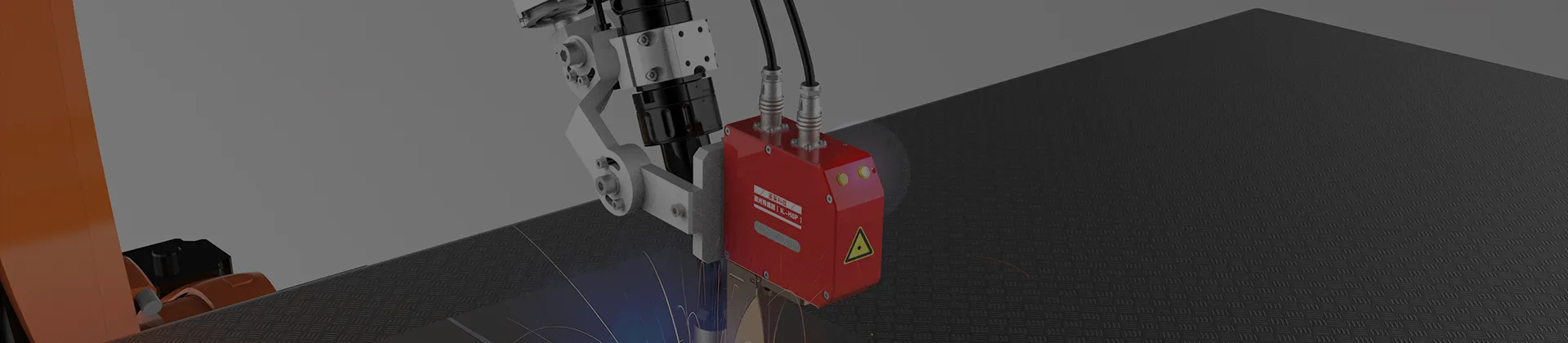




Choosing the right seam tracking sensor is essential for modern production lines. Many manufacturers face challenges with inconsistent seams, which can lead to defects in products. Seam tracking sensors help in maintaining alignment during the manufacturing process. These sensors play a crucial role in improving quality and reducing waste. Understanding how to select the best sensor can boost production efficiency.
To choose the right seam tracking sensor, consider the sensor type, compatibility with existing equipment, ease of use, and budget.
Laser sensors offer high precision in seam tracking. They use laser beams to determine the seam\'s position accurately. Many manufacturers prefer these for their speed and accuracy.
Camera-based sensors use visual data to track seams. They are effective for complex patterns. These sensors are versatile and can adapt to different products.
Ultrasonic sensors emit sound waves to detect seams. They work well for various materials and can be a cost-effective choice for simple applications.
Ensure the chosen sensor can easily integrate with current machinery. This integration helps maintain seamless workflow without major adjustments.
Check if the sensor is compatible with the manufacturing software already in use. This will save time and resources during setup.
A sensor with a simple user interface is easier for operators to manage. Look for clear displays and intuitive controls.
Choose a sensor that offers straightforward installation. Some sensors come with automatic calibration features, which can simplify setup.
Determine your budget for purchasing a seam tracking sensor. Prices can vary widely based on features and technology.
A more expensive sensor may save money in the long run due to reduced defects and increased efficiency. Consider total cost of ownership over the sensor\'s lifespan.
In conclusion, choosing the right seam tracking sensor for your production line is vital for maintaining product quality and efficiency. Remember to assess the types of sensors, compatibility with your equipment, ease of use, and budget. Making an informed choice will lead to better manufacturing outcomes and a smoother operational process.
Seam tracking sensors are used to monitor and align seams during the manufacturing process. They ensure that products are created accurately and efficiently, reducing waste.
Consider the materials you work with, complexity of seams, and your budget. Different sensors work better for specific applications.
Most modern sensors are designed to be compatible with existing equipment. Always check compatibility before making a purchase.
Look for precision, speed, ease of use, and cost. These factors can significantly impact the performance of your production line.
Prices vary widely based on features and technology. Basic sensors can start from a few hundred dollars, while advanced models may cost several thousand.
Basic training is usually required to understand the sensor’s interface and ensure correct usage. However, many sensors are designed to be user-friendly.
Latest Blogs
23
Sep. 2026
Laser Vision Seam Tracking Sensor: Features and Advantages
A Laser Vision Seam Tracking Sensor projects a laser line or uses optical imaging to detect the actual weld-joint position, then sends correction data to a robot, PLC, or welding head. I use this technology when programmed robot paths cannot compensate for fixture tolerance, part distortion, or changing seam geometry.


12
Aug. 2026
Choosing the Right Seam Tracking Sensor for Your Production Line
Choosing the right seam tracking sensor is essential for modern production lines. Many manufacturers face challenges with inconsistent seams, which can lead to defects in products. Seam tracking sensors help in maintaining alignment during the manufacturing process. These sensors play a crucial role in improving quality and reducing waste.

27
Jul. 2026
Laser Vision System for Robotic Welding Applications
The Laser Vision System is revolutionizing robotic welding applications. Robotic welding often faces challenges such as precision and speed. A Laser Vision System improves accuracy by using advanced detection and measurement technologies. This system ensures that the welding process is precise, reducing errors and enhancing efficiency.
Let Us Provide a Professional Solution for You Today
Our experienced team can provide customized service to all kinds of projects. Also, we provide 24/7 aftersale service.
Our aim is to make sure all customer can use the laser sensor after receiving it instead of put it in the box.