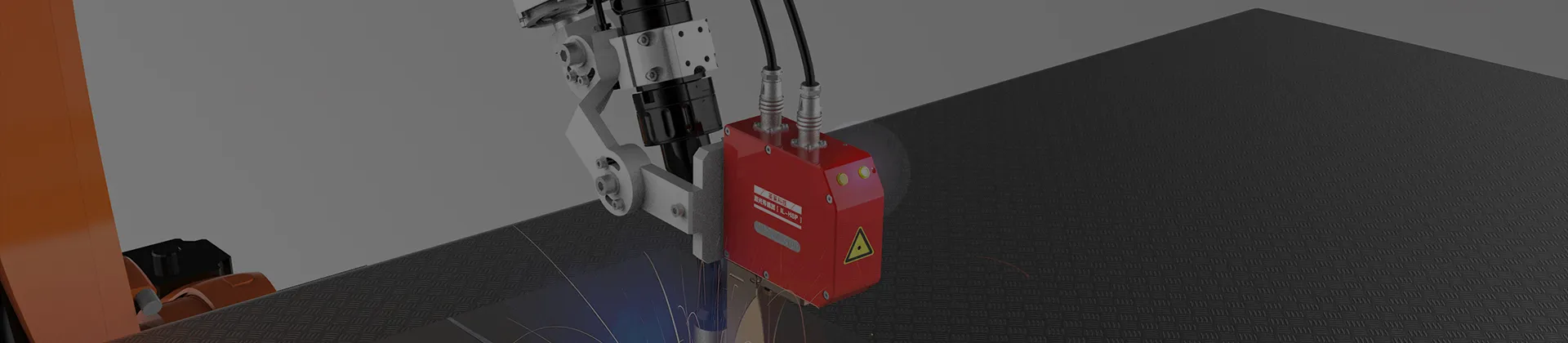




Weld seam defects can significantly impact product quality and durability. The right Laser Vision System can help minimize errors. Understanding how to use these systems effectively is crucial for manufacturers aiming to avoid complications like leaks, cracks, and structural failures. In this article, we will explore effective methods to ensure high-quality weld seams.
Each of these factors contributes to weld defects. For instance, improper techniques can lead to incomplete penetration, while contaminated materials may cause porosity. Recognizing these issues is the first step in effective prevention.
Before welding begins, inspect materials thoroughly. Use tools like Laser Vision Systems to detect surface imperfections. A study showed that 80% of defects were due to material quality issues.
Ensure that welding parameters like voltage and speed are set according to specifications. Adjustments should be made based on real-time feedback from systems integrated with monitoring technology.
Implementing technologies such as a Laser Seam Tracking System significantly reduces human error and increases consistency, leading to lower defect rates.
Post-weld inspections help catch defects early. Consider implementing a systematic approach using non-destructive testing methods to identify hidden failures.
Regular training programs for operators on the latest welding technologies help reduce defects. Studies indicate that well-trained personnel produce up to 50% fewer defects.
Utilizing Laser Seam Tracking Systems at critical stages of the welding process is a game-changer. Real-time seam tracking ensures the welding head consistently follows the joint, minimizing misalignment.
| Traditional Method | Laser Seam Tracking |
|---|---|
| Higher error margins | Minimal error margins |
| Manual adjustments required | Automatic adjustments based on feedback |
| Increased-rework costs | Lower rework costs |
These benefits highlight the value of investing in advanced technologies to achieve superior results in weld quality.
Preventing weld seam defects is essential for maintaining product integrity and customer satisfaction. By implementing strict inspection protocols, utilizing modern technologies, and ensuring continuous training, manufacturers can significantly enhance their welding processes. Embrace these strategies and utilize tools like Laser Vision Systems, ensuring a more reliable and defect-free production line.
Latest Blogs
23
Sep. 2026
Laser Vision Seam Tracking Sensor: Features and Advantages
A Laser Vision Seam Tracking Sensor projects a laser line or uses optical imaging to detect the actual weld-joint position, then sends correction data to a robot, PLC, or welding head. I use this technology when programmed robot paths cannot compensate for fixture tolerance, part distortion, or changing seam geometry.


12
Aug. 2026
Choosing the Right Seam Tracking Sensor for Your Production Line
Choosing the right seam tracking sensor is essential for modern production lines. Many manufacturers face challenges with inconsistent seams, which can lead to defects in products. Seam tracking sensors help in maintaining alignment during the manufacturing process. These sensors play a crucial role in improving quality and reducing waste.

27
Jul. 2026
Laser Vision System for Robotic Welding Applications
The Laser Vision System is revolutionizing robotic welding applications. Robotic welding often faces challenges such as precision and speed. A Laser Vision System improves accuracy by using advanced detection and measurement technologies. This system ensures that the welding process is precise, reducing errors and enhancing efficiency.
Let Us Provide a Professional Solution for You Today
Our experienced team can provide customized service to all kinds of projects. Also, we provide 24/7 aftersale service.
Our aim is to make sure all customer can use the laser sensor after receiving it instead of put it in the box.